
Top 10 Tips On Current Exchange Rates In Terms Of Exchange Rates
In today's global economy, understanding the current exchange rate is crucial to a successful financial plan, whether you're traveling abroad, conducting international business or managing investments in foreign currencies. Exchange rates impact the price of investment, pricing strategy, and how much one currency is worth in comparison to another. Changes in exchange rates could influence your travel budget as well as the profitability and returns on your investment. For a better understanding of how to navigate this complexity there are ten essential tips for managing exchange rates.
1. Keep up-to-date with real-time exchange Rates
Keep track of the exchange rates in real-time to make informed conversion decisions. To get the most current rates, visit credible financial websites or currency conversion apps or the bank's website services. Websites such as XE.com, OANDA and others offer current information to assist travellers and businesses set prices and budgets. When planning a vacation to Europe you can control your costs and avoid surprises by checking the current Euro exchange rate.
2. Know the Bid/Ask Spread
The bid-ask difference is the gap between what you be charged for currency when you buy it (ask) and the amount you'll have to pay for selling it (bid). The spread may differ between financial institutions and currency services. A spread that is smaller is more advantageous since you'll get more for exchanging currencies. In the example above the case of making the conversion from USD to EUR and the bank offers a bid price at 1.10, but an ask price of 1.15 the spread would be 0.05. Understanding this difference will allow you to make better informed choices regarding where and when you want to exchange money.
3. Utilize Online Currency Conversion Tools
Tools and apps to convert currencies online are indispensable to manage exchange rates efficiently. Wise and Revolut are two examples. They provide the most current rates for currency, but also allow users to convert currencies at low rates. These platforms offer features like rate alerts or historical data which can help you spot trends. For example, if you're keeping track of the USD to JPY exchange rate, you can set an alert to inform you when the rate reaches a favorable rate for your transactions.
4. Assess Currency Risk to Business and Investments
– Currency risk, or exchange rate risk, can have a significant impact on international business profits and investment returns. Changes in exchange rates could affect the value of contracts, sales and investments. Hedging strategies can mitigate the risk of this by utilizing financial instruments to secure exchange rates for future transactions. A company that imports goods to Europe could use the future contract to lock-in the current rate, and thus protect its profit margins.
5. Inquire About Fees and Charges
Different banks and services offer different fee structures. These fees may include transactional fees, service costs, and commissions. All of them can reduce or increase the amount you earn from your trip. Always ask about these charges prior to making any exchange. Travelers are advised to use credit cards that do not charge foreign transaction fees and international ATMs that offer more favorable exchange rates. Comparing fees and rates among various providers can help you find the most affordable deal.
6. Timing Your Currency Exchange
The time you exchange your currency can impact the amount that you receive. Values of currencies can fluctuate based on the economic news as well as geopolitical concerns and market sentiment. These elements can be monitored to determine when the best time to convert currencies. When a country announces good economic data it may have its currency strengthening this is why it's beneficial to hold off the conversion. Investors and travelers are able to make better financial decisions by understanding market trends and keeping up-to-date with world events.
7. Diversify your Currency holdings
Diversifying currency holdings is a good way to protect against currency fluctuations for business and investors. Multi-currency portfolios offer protection against negative changes in the currency. This strategy works well for companies that operate across multiple international markets. It allows them to be more flexible with their pricing and payments. A person who is based in the United States might, for instance, hold both British euros and pounds to make the most of possible currency appreciation. Diversification can reduce the risk of currency fluctuations.
8. Local currency is preferred by travelers
Always try to pay in the local currency while traveling in another country. If you pay with the currency of your home country, it typically results in undesirable exchange rates and fees that can lead to increased costs. Furthermore that using local currency when cashing out at an ATM could result in better rates as these machines typically offer higher rates than currency exchange counters. Before you leave, conduct a research into the currency of your destination and familiarize yourself with common exchange rates to avoid paying too much during your travels. This will assist you in being able to manage your budget.
9. Research Economic Indicators
Economic indicators, like the rate of inflation, interest rates and GDP growth, may provide insight into possible fluctuations in currency. In this case an example, a currency weaker than a country might be weakened by a high-inflation country. Understanding these indicators allows businesses and investors to make informed decisions on investment, currency exchanges and other issues. You will be able to navigate the foreign exchange markets more effectively when you are up to date on the latest economic developments and forecasts. Calendars of economic events and other reports are useful resources to track these.
10. Consult with financial experts for major purchases
If you deal with significant amount of cash or complicated transactions, it may be helpful to seek the advice of financial experts or currency experts. They are able to give you a tailored solution for your specific situation and help you through the complicated international market for foreign exchange. This is crucial for international investors or businesses who want to make the most of their exposure to currency while taking care to minimize risk. Making well-informed choices with the assistance of experts could result in long-term savings.
You can navigate the complex exchange rates by following these guidelines. This is the case whether you're in charge of an investment or business, planning a trip or managing your financials. Being informed, and taking an organized approach to currency conversions can result in better financial outcomes and also success when engaging with international partners. Understanding the nuances in exchange rates can allow you to make better informed financial decisions that ensure that your goals are in line with your goals for your business or personal life. Take a look at the most popular I thought about this for USD to CAD for site info including pesos to dollars, dollar to canadian dollar, dollar to euro, usd to cad, baht to us dollar, php to dollar, 1 usd in rupees, cad to usd, pound sterling to usd, eur to usd and more.
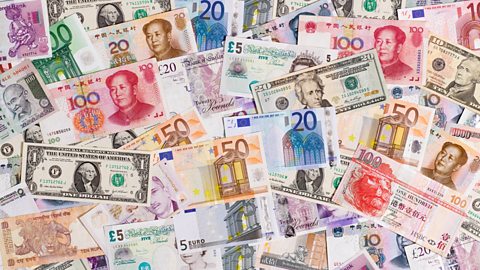
Top 10 Tips For Currency Exchange Rates And Regulatory Considerations
It is vital for anyone travelling internationally, managing investments abroad or running a business to know the regulatory implications. The regulations can differ greatly from country and affect everything from currency exchange to taxation, and customs duties to compliance with trade regulations and investment restrictions. Understanding these regulations is crucial to ensuring compliance and avoiding penalties. You can take informed decisions by familiarizing yourself with the regulatory aspects. This can enhance the experience of traveling, improve the process and safeguard your investment. Here are 10 top suggestions on how you can manage regulatory considerations effectively in your financial activity.
1. Research Visa and Entry Requirements
Find out about entry and visa requirements thoroughly before traveling to a new country. Different countries have varying policies regarding visas, entry permits and residence requirements. Ensure that you have the right documentation in order to avoid any issues with immigration. Stay informed of any changes to laws that might affect your ability to travel. Numerous countries have revised their regulations in response to global crises like the COVID-19 pandemic.
2. Understanding Customs Regulations
Learn about the customs laws of the destination, for example, restrictions on importation and exportation of items. Every nation has its own regulations on what is allowed and not imported without incurring taxes or duties. Any violation of these regulations may cause fines, confiscation or legal action. Some countries have limitations in the quantity of cash that may be brought into their countries. Travelers must declare all amounts that exceed an amount that is beyond a certain threshold.
3. Foreign Currency Regulations: Be informed
Different countries have their own regulations in relation to currency exchanges as well as international transfers. Are you interested in knowing the regulations and rules governing exchange rates in the country where you are visiting or conducting business? There may be limitations on the amount you can be changed or transferred. Understanding the regulations will allow you to adhere to local law and avoid penalties.
4. Consult Legal Experts Locally
If you're doing business in a foreign country, consider consulting with local legal experts to better understand the regulatory landscape. You will get valuable insights about the laws of your country, compliance requirements and any potential risks. This information can help navigate complex regulations to avoid costly errors.
5. Find out more about tax obligations
Tax regulations may differ in a variety of countries, affecting both business and individuals. Examine the tax obligations that you might be subject to if you are traveling or doing business overseas, such as income taxes, value-added taxes (VAT) as well as withholdings from payments. You should also be aware of tax treaties that exist between your home and the destination countries that could affect the tax requirements of your destination country.
6. Comply with Trade Regulations
– If you are importing or exporting products for your business, ensure to adhere to all laws related to trade, including tariffs, quotas for imports, and licensing. Failure to comply with these regulations could lead to fines and delays in the delivery of products. Contact a trade compliance expert for insight into the specific rules that pertain to your particular industry and products.
7. Monitoring changes to Regulatory Environments
Economics, politics and other social influences can quickly change the regulatory climate. Get updates from industry experts, newsletters and information sources that pertain to. This will inform you of any changes that may affect your travels investment, business, or other activities. By taking a proactive approach to compliance can let you adjust and comply with new rules and regulations.
8. Investment Regulations: What You Have to Know
For investors, it's essential to know the regulatory environment in the countries in which you intend to invest. Different jurisdictions have varying regulations regarding foreign investments, including limitations on ownership percentages, reporting requirements, and regulation of investment vehicles. To avoid fines be sure to research the regulations in order to ensure that your investments are in compliance with local laws.
9. Compliance Software and Tools
Consider using software and tools to help businesses and individuals manage regulations. These platforms can be useful for tracking regulatory changes, managing documents, and making sure that your business is in compliance with the standards of industry. Making investments in tools that can help you comply with regulations can simplify your business and reduce the risk of not being in compliance.
10. Local Business Networks: Engage in Local Business Networks
– Building relationships with local organizations and businesses will provide you with valuable information about regulatory considerations. Joining chambers, local trade associations, and industry groups will allow you to make connections with experts who are well-versed in the regulatory environment. These contacts could provide practical tips on how you can comply with local laws.
These tips will assist you navigate the complexity that comes with traveling, conducting business and evaluating your investments. Knowing the regulatory landscape will allow you to make more informed decisions, which can ultimately improve your financial strategies and experience. Understanding the regulations is crucial for everyone who wishes to be successful, whether it's investing internationally expanding their business, or traveling. See the most popular euro for blog recommendations including baht to us dollar, us dollar in indian rupees, baht to usd, us dollar to mexican peso, dollar to rupee, baht to us dollar, currency exchange near me, us dollar to rmb, yen to us dollar, convert pounds to dollars and more.